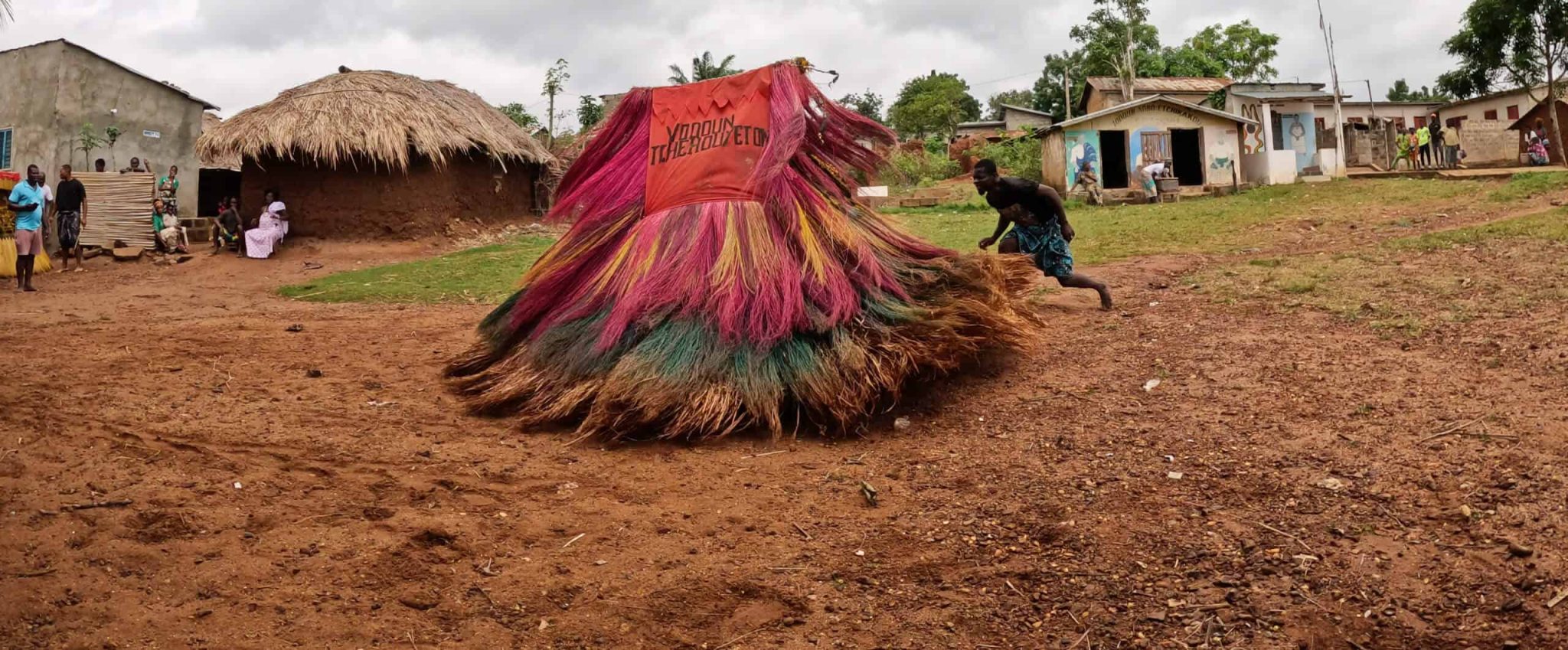
Benin is a place where history, culture, and tradition are part of everyday life. Known as the birthplace of Vodun, it offers a strong connection to West African heritage through its people, practices, and environment.
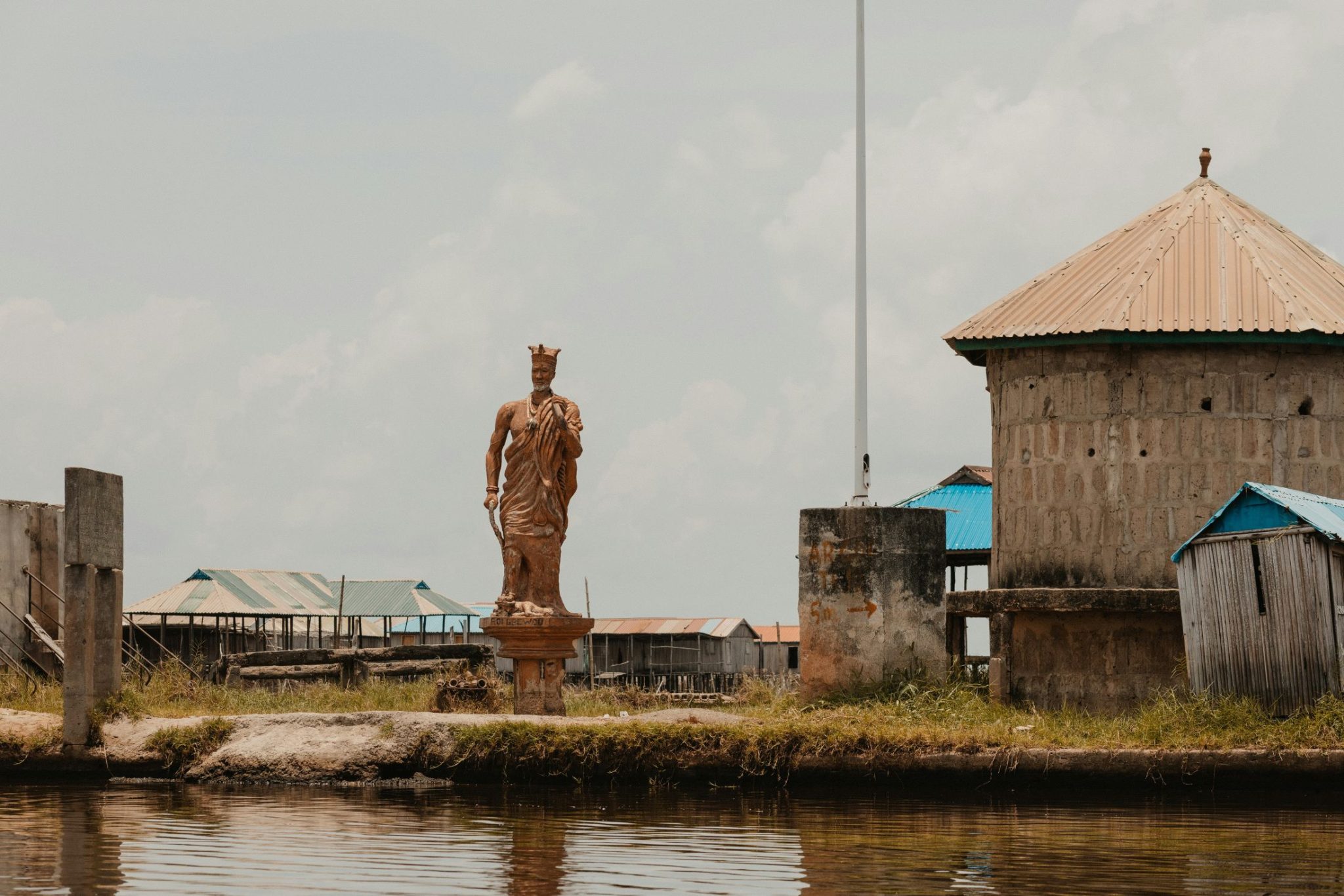
The historic routes of Ouidah reflect its past, while Cotonou shows the movement of commerce and everyday life. Along the coast, Grand-Popo offers a slower stretch by the Atlantic, where festivals, music, and local traditions remain part of the experience.
Fill out the form below with your preferred travel dates and experiences. The more details you share, the better we can create a trip that matches your interests and expectations. Once you’ve completed this form, we’ll get back to you via email to discuss your plans and begin creating a custom itinerary tailored specifically to you.
Lorem ipsum dolor sit amet, consectetur adipiscing elit, sed do eiusmod tempor incididunt ut labore et dolore magna aliqua. Ut enim ad minim veniam, quis nostrud exercitation

Fill out the form below with your preferred travel dates, destinations, and experiences. The more details you share, the better we can create a trip that matches your interests and expectations. Once you’ve completed this form, we’ll get back to you via email to discuss your plans and begin creating a custom itinerary tailored specifically to you.
The official currency is the West African CFA Franc (XOF), which is used by several countries in the West African monetary union. Credit cards may be accepted in some hotels, restaurants, and larger establishments in major cities like Cotonou, but cash is widely used throughout the country. It is advisable to carry local currency, especially when visiting markets or rural areas.
Most travelers require a visa to enter Benin. Tourist visas can typically be obtained online through the country’s official e-visa system or upon arrival at major entry points. Some nationalities may qualify for visa-free entry or visa on arrival, so travelers are encouraged to check with the nearest Beninese embassy or the official immigration website for the most up-to-date visa requirements before traveling
Visitors traveling to Benin are required to present a yellow fever vaccination certificate, especially when arriving from countries where the disease is endemic. Malaria prevention is recommended, as the disease is present in many parts of the country. Travelers are also encouraged to ensure routine vaccinations such as Hepatitis A and B, typhoid, and tetanus are up to date before their trip. Consulting a healthcare professional prior to travel is advisable.
WiFi is available in many hotels, guesthouses, and cafés in major cities across Benin, though connections may be less reliable in rural or remote areas. Local SIM cards from providers such as MTN Benin and Moov Africa Benin offer affordable data packages for travelers. International roaming is also available, but it can be significantly more expensive
The best time to visit Benin is during the dry season from November to March, when weather conditions are ideal for travel and outdoor exploration. This period is perfect for visiting places like Grand-Popo and Ouidah, and experiencing cultural events such as the Ouidah Voodoo Festival held each January
When visiting Benin, wear lightweight, breathable clothing suitable for the warm tropical climate. Comfortable walking shoes, a hat, and sunscreen are recommended for exploring. When visiting cultural or religious sites, modest attire that covers shoulders and knees is advisable.


